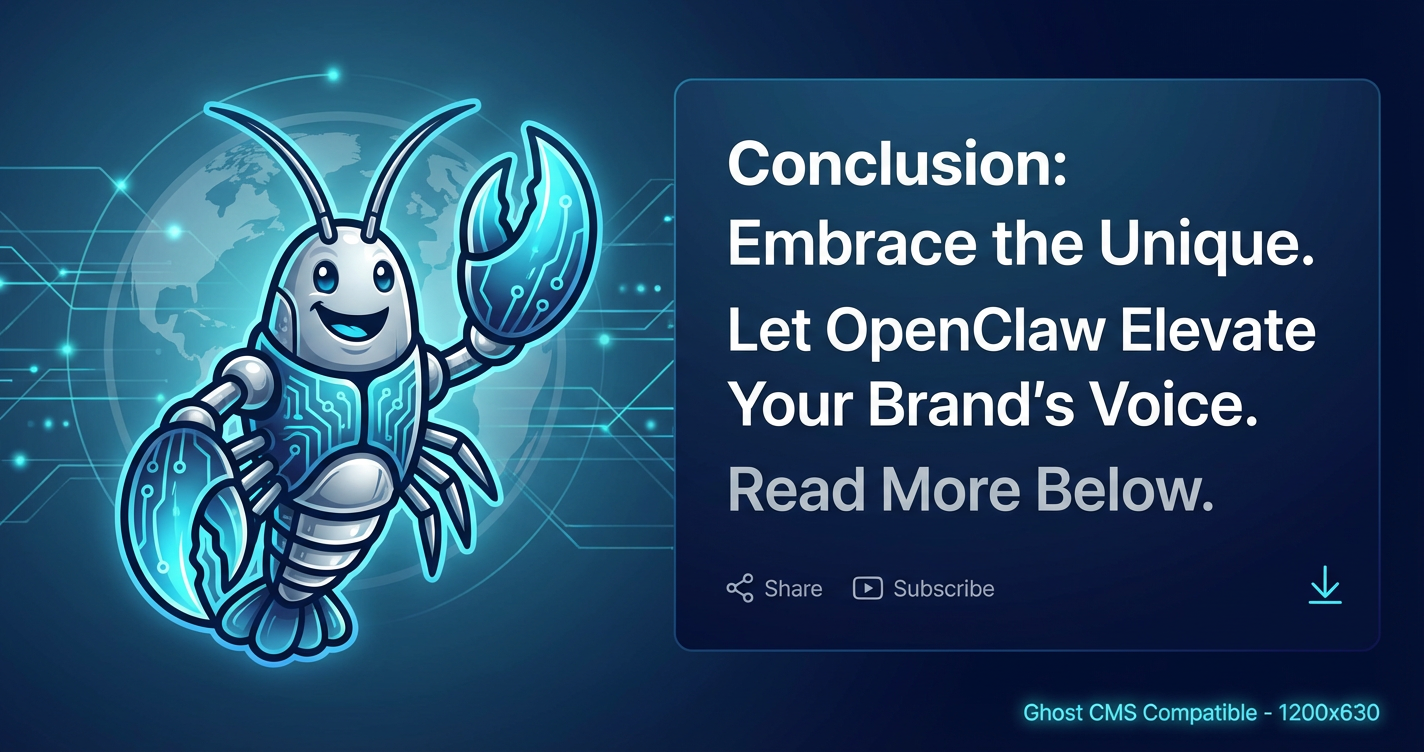
OpenClaw Lobster Mascot: Your Brand's Unique Star
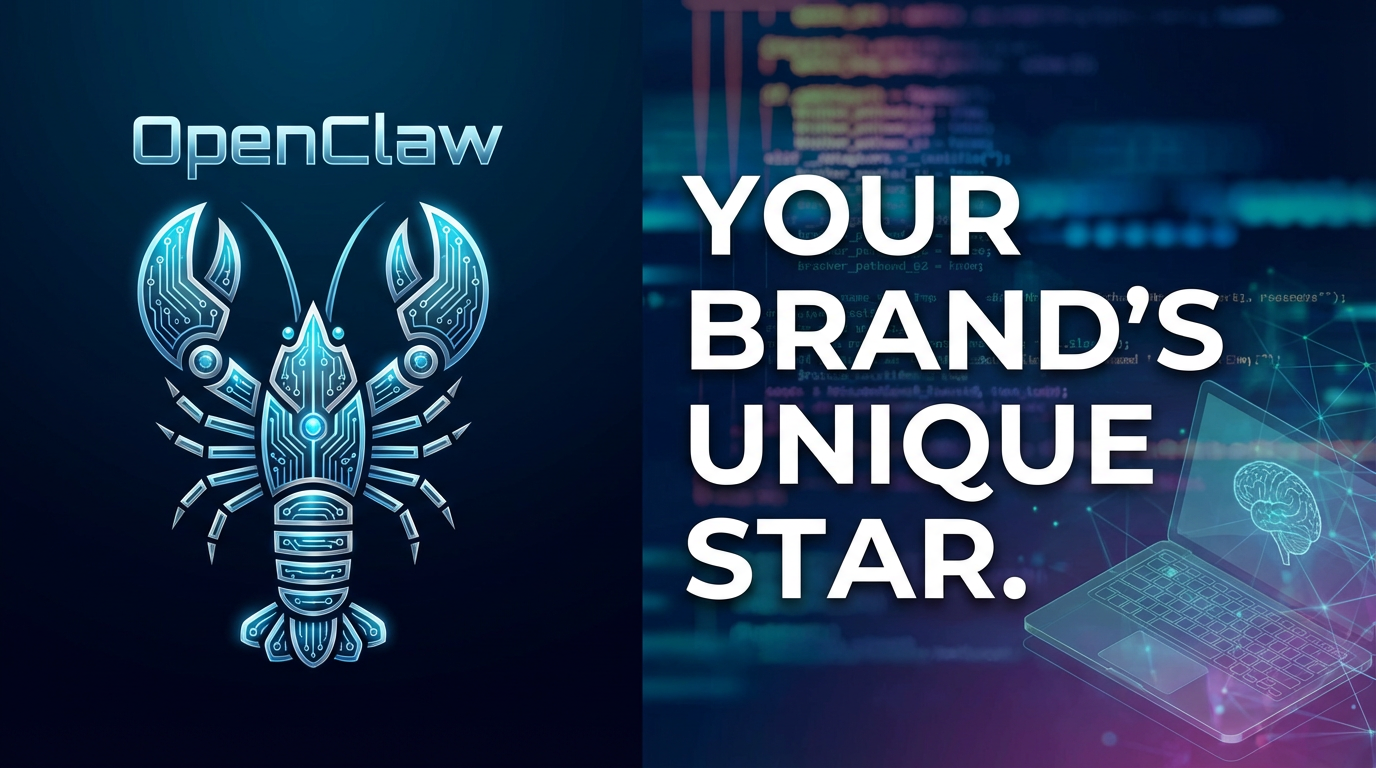

In the vast ocean of modern commerce, where brands jostle for attention, differentiation is not just a competitive edge—it's a survival imperative. Businesses are constantly searching for that singular element, that unforgettable icon, that can cut through the noise and forge an instant, profound connection with their audience. While sleek logos and memorable taglines play their part, there is an unsung hero of branding that embodies personality, evokes emotion, and creates a narrative stronger than any slogan: the brand mascot. And among the myriad possibilities, an "OpenClaw Lobster Mascot" emerges as a particularly compelling and unique star, poised to elevate your brand from mere existence to iconic recognition.
Imagine a character that is simultaneously strong and whimsical, distinctive yet approachable, embodying resilience, sophistication, and a touch of the extraordinary. This is the promise of OpenClaw, a lobster mascot designed not just to represent, but to truly be the living embodiment of your brand's essence. This article delves into the transformative power of such a mascot, exploring its design philosophy, strategic deployment, and the immeasurable value it brings to your brand's narrative, market presence, and customer loyalty. We will journey through the depths of character creation, the nuances of visual storytelling, and the strategic advantages that an icon like OpenClaw offers in today's dynamic marketplace, all while touching upon critical aspects like cost optimization and performance optimization in your branding endeavors, and even the initial "image prompt" that sparks its genesis.
The Enduring Power of Brand Mascots in a Crowded Market
Brand mascots have been a cornerstone of marketing for well over a century, proving their mettle across generations and technological shifts. From the Michelin Man to Tony the Tiger, these anthropomorphic (or zoomorphic) figures possess an inherent ability to humanize a brand, endowing it with a relatable personality and a tangible presence. In an era saturated with digital interactions, a mascot provides a much-needed touchpoint of warmth, familiarity, and authentic engagement.
Historical Significance and Psychological Impact
The appeal of mascots is deeply rooted in human psychology. We are hardwired to connect with characters, to imbue them with stories, emotions, and intentions. This inclination dates back to our earliest forms of communication through myths, fables, and personified entities. When a brand adopts a mascot, it taps into this primal connection, transforming an abstract corporate entity into a friend, a mentor, or an aspirational figure.
Historically, mascots emerged as a way for brands to communicate complex ideas simply and memorably. They served as visual shortcuts, instantly conveying brand values, product benefits, or even a sense of heritage. Think of the Quaker Oats Man, symbolizing wholesome goodness, or Mr. Peanut, representing sophistication and quality snacks. These characters became synonymous with their brands, transcending mere advertising to become cultural touchstones.
The psychological impact of a well-crafted mascot is multifaceted:
- Emotional Connection: Mascots evoke emotions—joy, trust, nostalgia, excitement—that plain logos often cannot. This emotional resonance fosters deeper loyalty and makes the brand more endearing. Children, in particular, form strong bonds with mascots, often influencing family purchasing decisions.
- Memorability and Recall: Visuals are processed significantly faster than text. A unique and engaging mascot creates a powerful visual anchor in the consumer's mind, making the brand easier to remember and recall amidst a sea of competitors.
- Trust and Approachability: Mascots can make a large, faceless corporation feel more approachable and trustworthy. They project a friendly, non-threatening image, inviting consumers to engage with the brand on a more personal level.
- Narrative Potential: Mascots are storytellers. They can be placed in various scenarios, conveying messages, demonstrating product use, or illustrating brand values through engaging narratives that resonate with the audience.
Versatility in Marketing Channels
One of the greatest strengths of a mascot lies in its incredible versatility. Unlike a static logo, a mascot can adapt, pose, express, and interact across an astonishing array of marketing channels:
- Digital Platforms: From social media posts and animated explainer videos to interactive website elements and app interfaces, OpenClaw can come alive in the digital realm, engaging users with dynamic content.
- Traditional Advertising: Print ads, television commercials, and billboards gain an instant personality with a mascot at the forefront, capturing attention and conveying messages efficiently.
- Merchandise and Packaging: OpenClaw can be emblazoned on merchandise—t-shirts, mugs, toys—transforming customers into brand advocates. On packaging, it creates instant recognition and adds a touch of charm, making products stand out on shelves.
- Events and Experiential Marketing: A costumed OpenClaw mascot at trade shows, community events, or store openings creates unforgettable experiences, generating excitement, photo opportunities, and direct engagement with the brand.
- Internal Branding: Mascots can also foster internal team spirit, appearing in employee communications, training materials, and office decor, reminding staff of the brand's unique identity and shared purpose.
This adaptability ensures that the investment in a mascot yields returns across every touchpoint, reinforcing brand identity consistently and powerfully.
Why a Lobster? Unpacking OpenClaw's Appeal
Choosing the right animal or character for a mascot is a critical decision, as it must intrinsically align with the brand's values, target audience, and market positioning. While many brands opt for conventional choices, a lobster—specifically an "OpenClaw" lobster—offers a distinctive and strategic advantage. Its inherent symbolism and visual characteristics provide a rich foundation for a unique brand identity.
Symbolism of Lobsters: Resilience, Uniqueness, Strength, and More
Lobsters, creatures of the deep, carry a fascinating array of symbolic meanings that can be strategically harnessed for a brand:
- Resilience and Longevity: Lobsters are ancient creatures that have survived and thrived for millions of years. They symbolize endurance, adaptability, and the ability to navigate challenges, shedding their shells to grow stronger. For a brand, this can represent a commitment to durability, innovation, and long-term success.
- Uniqueness and Distinctiveness: There's an inherent intrigue and exoticism associated with lobsters. They stand out. This perfectly mirrors a brand's aspiration to be unique, memorable, and to possess a distinctive presence in its market. An OpenClaw lobster immediately captures attention and sparks curiosity.
- Strength and Protection: The lobster's formidable claws are its primary tools for defense and foraging, symbolizing strength, protection, and a powerful capability. This can convey a brand's robust solutions, reliable services, or unwavering commitment to protecting its customers' interests.
- Luxury and Premium Quality: In many cultures, lobster is considered a delicacy, associated with fine dining, special occasions, and a premium experience. This can imbue a brand with an aura of sophistication, exclusivity, and high quality, appealing to a discerning clientele.
- Transformation and Growth: The molting process of a lobster—shedding its old shell to grow a new, larger one—is a powerful metaphor for transformation, renewal, and continuous improvement. This aligns with brands that emphasize innovation, personal development, or evolving to meet new demands.
- Depth and Mystery: Lobsters inhabit the deep, often mysterious parts of the ocean. This can symbolize a brand's depth of knowledge, specialized expertise, or the hidden insights it offers to its customers.
By leveraging these multifaceted symbols, OpenClaw can communicate a rich tapestry of brand values without uttering a single word.
Personality Traits and Visual Distinctiveness
Beyond symbolism, the physical attributes and potential personality of an OpenClaw lobster mascot offer unparalleled opportunities for character development:
- Playful Yet Authoritative: The prominent claws, while symbolizing strength, can also be used playfully—perhaps holding a product, waving a greeting, or making a point. This allows OpenClaw to be both approachable and authoritative.
- Friendly and Welcoming: A well-designed lobster can have an engaging expression, friendly eyes, and a posture that invites interaction rather than intimidating. The "OpenClaw" aspect itself can suggest openness, honesty, and a willingness to engage.
- Adventurous and Resourceful: Lobsters navigate complex underwater environments. OpenClaw can embody a spirit of adventure, problem-solving, and resourcefulness, appealing to customers who value innovation and exploration.
- Visually Striking: The vivid red coloration (or other strategic colors), the articulated body, and the distinct antennae provide a strong visual foundation. These elements can be exaggerated or stylized to create an instantly recognizable and memorable character. The "open" nature of the claw further adds to its unique identity, suggesting readiness and approachability.
The following table illustrates some potential personality traits for OpenClaw:
| Trait | Description | Brand Implication |
|---|---|---|
| Resilient | Endures challenges, adapts to change, grows stronger. | Your brand is durable, innovative, and built for long-term success. |
| Distinctive | Stands out from the crowd, unique and memorable. | Your brand offers unique value and a clear identity. |
| Trustworthy | Strong and protective, reliable in its actions. | Your brand provides robust solutions and dependable service. |
| Approachable | Friendly demeanor, inviting interaction despite its powerful appearance. | Your brand is customer-centric and easy to engage with. |
| Sophisticated | Conveys a sense of quality, elegance, and discerning taste. | Your brand offers premium products/services and a refined experience. |
| Adventurous | Explores new possibilities, resourceful in problem-solving. | Your brand is forward-thinking and innovative. |
This combination of deep symbolism and compelling visual characteristics makes OpenClaw a uniquely powerful choice for a brand mascot, promising to cut through the clutter and establish an indelible mark.
Designing OpenClaw: From Concept to Icon
The journey from a mere idea to a beloved brand icon is a meticulous process, requiring a blend of creative vision, strategic thinking, and iterative refinement. Designing OpenClaw is not just about drawing a lobster; it's about imbuing it with a soul, ensuring it perfectly articulates the brand's message and resonates with its target audience.
The Creative Brief: Defining Personality, Target Audience, Brand Values
The foundation of any successful design project is a comprehensive creative brief. For OpenClaw, this brief acts as the essential "image prompt" for the designer, guiding every stroke and decision. It translates abstract brand concepts into concrete visual requirements, ensuring the final mascot is a perfect reflection of the brand's identity. A detailed brief should cover:
- Brand Identity and Values: What does your brand stand for? Is it innovative, reliable, playful, luxurious, educational, rebellious? How does OpenClaw embody these values? For example, if your brand emphasizes resilience and strength, OpenClaw's posture might be confident and unwavering.
- Target Audience Demographics and Psychographics: Who are you trying to reach? What are their age, interests, lifestyle, and pain points? A mascot for children will differ significantly from one for tech professionals or luxury consumers. OpenClaw's design, expressions, and poses must appeal directly to this specific demographic.
- Mascot Personality and Role: What kind of character is OpenClaw? Is it wise, humorous, adventurous, protective, sophisticated? What is its primary role—to entertain, inform, reassure, or guide? Defining these traits ensures consistency in its portrayal across all media. Will it speak? What will its voice sound like (metaphorically)?
- Desired Emotional Response: How do you want people to feel when they see OpenClaw? Trustworthy, amused, excited, comforted? This guides the choice of colors, shapes, and facial expressions.
- Competitive Landscape: Who are your competitors, and what mascots (if any) do they use? OpenClaw must stand out and differentiate itself visually and conceptually.
- Usage Scenarios: Where will OpenClaw appear? On packaging, social media, videos, websites, merchandise, live events? This informs the need for versatility in poses, expressions, and scalability for different mediums.
- Key Messages to Convey: What core messages should OpenClaw communicate about your brand or products? Its actions and expressions can subtly reinforce these.
This "image prompt" is far more than just a visual request; it's a strategic document that ensures the designer understands the brand's soul before even picking up a stylus. It lays the groundwork for cost optimization by minimizing rounds of revisions and ensuring the initial creative direction is aligned with strategic goals.
Character Development: Sketching, Refinement, Color Palettes
With a robust creative brief in hand, the character development process begins. This is an iterative journey that transforms ideas into tangible visuals:
- Conceptual Sketching: Designers begin with a multitude of rough sketches, exploring different styles, proportions, expressions, and poses for OpenClaw. This stage is about generating a wide range of possibilities, from highly realistic to abstract or cartoonish, testing which visual interpretations best align with the brief.
- Refinement and Selection: Promising concepts are refined. This involves detailing features like the shape of the claws, the curvature of the shell, the size of the antennae, and the character of its eyes. Feedback from stakeholders is crucial here, narrowing down options based on aesthetic appeal, brand alignment, and practical application.
- Color Palette Development: Color is paramount in evoking emotion and reinforcing brand identity. OpenClaw’s color scheme must align with the brand's existing palette while also conveying its unique personality. Traditional lobster reds might be adapted, or entirely new, complementary colors introduced to create a distinctive look. Considerations include:
- Brand Primary Colors: How does OpenClaw integrate existing brand colors?
- Emotional Impact: Reds can convey energy and passion, blues stability, greens growth.
- Contrast and Visibility: Ensuring OpenClaw stands out against various backgrounds.
- Versatility: How do the colors work across different mediums (digital, print, merchandise)?
- Pose and Expression Library: OpenClaw isn't static. A comprehensive library of poses and expressions (happy, confused, thoughtful, energetic, welcoming) ensures it can convey a full range of emotions and interact effectively in different marketing scenarios. This is vital for maintaining its dynamic personality.
Ensuring Consistency Across Platforms
Once OpenClaw's design is finalized, the next crucial step is to establish stringent brand guidelines for its usage. This ensures absolute consistency across all platforms, which is vital for building strong brand recognition and trust.
- Style Guide: A detailed document outlining OpenClaw's exact proportions, color codes (CMYK, RGB, Hex), preferred typefaces for accompanying text, and approved expressions/poses.
- Do's and Don'ts: Clear instructions on how OpenClaw should and should not be used. This might include rules against altering its colors, distorting its proportions, placing it in inappropriate contexts, or using outdated versions.
- Application Examples: Showcasing how OpenClaw appears on various assets—website banners, social media avatars, product packaging, animation storyboards, and event signage—provides practical guidance for creative teams.
- Digital Assets: Providing high-resolution vector files (for scalability), various raster formats, and potentially 3D models or animation rigs ensures that every team member has access to the correct, approved versions.
By meticulously planning and executing the design process, guided by a strong "image prompt" and a focus on consistency, OpenClaw transforms from a concept into a truly iconic and invaluable brand asset, ready to embark on its mission as your brand's unique star.
XRoute is a cutting-edge unified API platform designed to streamline access to large language models (LLMs) for developers, businesses, and AI enthusiasts. By providing a single, OpenAI-compatible endpoint, XRoute.AI simplifies the integration of over 60 AI models from more than 20 active providers(including OpenAI, Anthropic, Mistral, Llama2, Google Gemini, and more), enabling seamless development of AI-driven applications, chatbots, and automated workflows.
OpenClaw in Action: Maximizing Brand Engagement
The true value of OpenClaw comes to life when it actively engages with your audience across various platforms. Its inherent charm and distinctiveness allow it to become a dynamic brand ambassador, fostering connections and driving interactions in ways a static logo simply cannot. Effective deployment is key to maximizing its impact and ensuring strong performance optimization across your marketing efforts.
Digital Marketing: Social Media, Website, and Apps
In today's digital-first world, OpenClaw can thrive, bringing personality and life to otherwise static screens.
- Social Media Star: OpenClaw can be the face of your social media presence.
- Profile Pictures & Banners: A stylized OpenClaw makes your profiles instantly recognizable.
- Content Creator: OpenClaw can star in short animated GIFs, memes, and videos, reacting to trends, celebrating holidays, or illustrating product benefits with humor and charm. Its expressions can convey emotions faster than text.
- Engagement Driver: Ask followers to caption OpenClaw's adventures, share fan art, or vote on its next activity. This boosts interaction and builds a community around the mascot.
- Customer Service Avatar: A friendly OpenClaw chatbot icon can make support interactions feel more approachable.
- Website Experience Enhancer: OpenClaw can transform your website from a mere information repository into an engaging experience.
- Welcome Guide: An animated OpenClaw can greet visitors, guide them through navigation, or pop up with helpful tips.
- Loading Animations: OpenClaw can perform a playful action while content loads, reducing perceived wait times and adding delight.
- Interactive Elements: Imagine clicking on OpenClaw for a fun fact, a special offer, or to initiate a chat.
- Error Pages: A humorous OpenClaw on a 404 page can turn frustration into a smile, reinforcing brand personality even in minor setbacks.
- App Integration: For mobile applications, OpenClaw can be seamlessly integrated.
- Onboarding: Guide users through the app's features with OpenClaw.
- Gamification: OpenClaw can be a reward character, celebrate achievements, or offer in-app challenges.
- Push Notifications: An OpenClaw icon accompanying notifications can make them more engaging and less intrusive.
Offline Presence: Events, Merchandise, and Packaging
While digital is crucial, OpenClaw's tangible presence in the physical world is equally powerful, forging real-world connections.
- Event Ambassador:
- Costumed Mascot: A walk-around OpenClaw mascot at trade shows, conventions, sporting events, or community gatherings is a magnet for attention. It creates memorable photo opportunities, entertains crowds, and acts as a direct, physical representation of your brand.
- Event Branding: OpenClaw can be incorporated into event signage, backdrops, banners, and promotional materials, ensuring a cohesive and fun brand presence.
- Merchandise Marvel: OpenClaw is perfectly suited for a wide range of branded merchandise, turning customers into walking billboards and advocates.
- Apparel: T-shirts, hats, hoodies featuring OpenClaw designs.
- Collectibles: Plush toys, figurines, keychains, pins.
- Everyday Items: Mugs, notebooks, stickers, phone cases.
- Promotional Giveaways: Cost-effective items with OpenClaw can boost brand recall.
- Packaging Powerhouse: On product packaging, OpenClaw transforms an ordinary item into something special.
- Shelf Appeal: A vibrant OpenClaw design makes products pop on crowded shelves, grabbing consumer attention.
- Brand Storytelling: OpenClaw can illustrate product features, convey usage instructions, or simply add a touch of delight to the unboxing experience.
- Distinctive Identity: Unique packaging featuring OpenClaw reinforces brand recognition and can justify a premium positioning.
Storytelling with OpenClaw
Mascots excel at storytelling, giving brands a narrative voice that resonates with audiences. OpenClaw isn't just a character; it's a protagonist in your brand's ongoing saga.
- Adventures and Journeys: Create a series of short stories, comics, or animated shorts where OpenClaw embarks on adventures that metaphorically or literally relate to your product benefits or brand values. For instance, OpenClaw could "navigate treacherous waters" to symbolize your brand's reliable service in challenging situations.
- Problem-Solving Scenarios: Show OpenClaw encountering common customer pain points and elegantly solving them using your brand's products or services.
- Behind-the-Scenes Insights: OpenClaw can give a whimsical tour of your company, introduce team members, or explain complex processes in an engaging way.
- Seasonal Campaigns: OpenClaw can participate in holiday celebrations, seasonal promotions, or special events, adding a festive and timely touch to your marketing.
This table summarizes how OpenClaw can be deployed across various marketing channels:
| Channel | OpenClaw's Role | Expected Impact |
|---|---|---|
| Social Media | Profile avatar, content creator (GIFs, videos), engagement driver, chatbot icon. | Increased engagement, virality, community building, approachable customer service. |
| Website & Apps | Welcome guide, loading animations, interactive elements, error page personality, onboarding. | Enhanced user experience, reduced bounce rates, improved navigation, delight. |
| Traditional Ads | Star of TV commercials, print ads, billboards; visual focal point. | Higher recall, stronger emotional connection, clear brand message. |
| Merchandise | Featured on apparel, toys, collectibles, everyday items. | Brand advocacy, passive marketing, revenue generation, enhanced loyalty. |
| Packaging | Eye-catching design element, storyteller, quality indicator. | Increased shelf appeal, differentiated product, improved unboxing experience. |
| Events | Live costumed mascot, branding on signage, promotional materials. | Memorable experiences, direct engagement, photo opportunities, increased foot traffic. |
| Email Marketing | Engaging headers, call-to-action icons, celebratory animations. | Higher open rates, click-through rates, brand consistency. |
| Video Content | Animated protagonist, explainer video narrator, brand ident. | Enhanced storytelling, increased viewer retention, clarity of message. |
Measuring Impact: How to Assess the Mascot's Performance Optimization in Campaigns
To ensure OpenClaw is truly a unique star, it's vital to measure its performance optimization. This involves tracking various metrics to understand its contribution to branding and marketing goals.
- Brand Awareness:
- Social Media Reach & Impressions: How many people are seeing OpenClaw-related content?
- Brand Mentions: Are people talking about your mascot online?
- Website Traffic: Is content featuring OpenClaw driving more visitors?
- Recall Surveys: In surveys, do respondents remember OpenClaw when thinking of your brand?
- Engagement Metrics:
- Social Media Engagement Rate: Likes, comments, shares on posts featuring OpenClaw.
- Click-Through Rates (CTR): For ads or emails featuring the mascot.
- Website Interaction: Clicks on interactive OpenClaw elements.
- Time Spent: On pages or videos featuring OpenClaw.
- Sentiment Analysis:
- Social Listening: What are people saying about OpenClaw? Is the sentiment positive?
- Brand Perception Surveys: How does OpenClaw influence perceptions of your brand (e.g., more friendly, trustworthy)?
- Conversion and Sales:
- Attribution Modeling: Can sales or leads be linked to campaigns where OpenClaw played a prominent role?
- A/B Testing: Compare campaign performance with and without OpenClaw. Does its presence lead to higher conversions?
- Merchandise Sales: Direct revenue generated from OpenClaw branded products.
By meticulously tracking these KPIs, brands can continually refine OpenClaw's role, ensuring it remains an effective and performance-optimized asset in their marketing arsenal.
The Strategic Advantages of OpenClaw Lobster Mascot
Beyond its immediate charm and engagement capabilities, the OpenClaw Lobster Mascot offers profound strategic advantages that contribute significantly to a brand's long-term success and competitive positioning. It transforms marketing from a transactional activity into a relationship-building endeavor.
Enhanced Brand Recognition and Recall
In a world where consumers are bombarded with thousands of marketing messages daily, standing out is paramount. A distinctive mascot like OpenClaw acts as an unparalleled visual anchor for your brand, fostering instant recognition and superior recall.
- Distinctive Visual Identity: While logos can be abstract, OpenClaw is a tangible character. Its unique form, vibrant colors, and expressive features make it instantly recognizable, even at a glance. When consumers see OpenClaw, they immediately associate it with your brand, cutting through the noise that often makes generic logos blur together.
- Memorability Through Story: OpenClaw isn't just seen; it's experienced. Its adventures, expressions, and interactions create mini-stories in the consumer's mind, making the brand more memorable than if it were represented by an impersonal corporate symbol. People remember characters and narratives far more easily than abstract designs.
- Cross-Cultural Recognition: Visual characters often transcend language barriers. OpenClaw's appeal can be universal, allowing for consistent brand recognition across different markets without needing extensive localization of textual elements.
- Reduced Cognitive Load: When consumers encounter OpenClaw, their brains don't have to work hard to process and categorize the brand. The mascot provides an immediate, easily digestible identifier, making brand recall effortless. This significantly lowers the cognitive load on the consumer, making your brand feel more accessible and familiar.
Building Customer Loyalty and Community
OpenClaw has the unique ability to foster a deep emotional connection with customers, transforming them from mere consumers into loyal advocates and active members of a brand community.
- Emotional Resonance: As discussed, mascots evoke powerful emotions. OpenClaw can become a beloved figure, generating feelings of warmth, trust, and even affection. This emotional bond is far stronger than a purely rational connection to a product or service.
- Relatability and Trust: A friendly, approachable mascot makes the brand feel more human. Customers perceive OpenClaw as a consistent, trustworthy representative, someone they can rely on and connect with. This builds a foundation of trust that is crucial for long-term loyalty.
- Sense of Belonging: By creating content and experiences around OpenClaw, brands can cultivate a sense of community. Fans of OpenClaw become part of an exclusive group, sharing their enthusiasm and fostering connections with the brand and with each other. This is evident in fan art, discussions about the mascot's personality, and shared excitement over new OpenClaw appearances.
- Brand Affinity: Mascots provide a fun, engaging way for customers to express their affinity for a brand. Wearing OpenClaw merchandise, sharing its content, or interacting with it at events becomes an act of endorsement and a public declaration of loyalty.
Differentiation in a Crowded Market
In markets brimming with similar products and services, differentiation is the key to standing out. OpenClaw offers a powerful, inimitable way to carve out a distinct identity.
- Unique Visual Identity: A lobster mascot is inherently unusual and memorable, especially in industries where such mascots are rare. This immediate visual distinction sets your brand apart from competitors who might rely on more conventional or abstract branding.
- Personality-Driven Branding: OpenClaw injects a unique personality into your brand that is difficult for competitors to replicate. While others might copy product features or pricing strategies, they cannot easily replicate the emotional connection and unique character that OpenClaw embodies.
- Breakthrough Messaging: OpenClaw can deliver marketing messages in fresh, unexpected ways. It can use humor, charm, or adventurous narratives to convey information that might otherwise be dry or forgettable, making your brand's communication more impactful.
- Competitive Barrier: A strong, beloved mascot becomes a proprietary asset. It takes time, effort, and strategic investment to build such an iconic figure. Once established, OpenClaw acts as a significant competitive barrier, making it harder for new entrants or existing competitors to directly mimic your brand's unique appeal. It elevates your brand beyond mere products or services to an experience.
Long-Term Brand Asset
Unlike fleeting campaigns or temporary promotions, a mascot like OpenClaw is a long-term strategic asset that appreciates in value over time.
- Enduring Appeal: A well-designed mascot has timeless appeal. While marketing trends come and go, iconic characters endure, adapting to new eras while retaining their core identity.
- Flexibility for Evolution: OpenClaw can evolve with your brand. Its personality can be subtly refined, its appearance slightly updated, or its role expanded as your brand grows and adapts to new market demands, ensuring its continued relevance.
- Brand Equity Builder: Over years, OpenClaw becomes infused with your brand's history, achievements, and customer relationships. It accumulates significant brand equity, becoming a powerful symbol of trust, quality, and legacy.
- Licensing and Revenue Opportunities: A highly successful mascot can open doors to licensing opportunities, generating additional revenue streams through merchandise, media appearances, or co-branding initiatives, further cementing its value as an asset.
In essence, OpenClaw transcends being a mere marketing tool; it becomes the heart and soul of your brand's public persona, delivering unparalleled strategic advantages that drive recognition, loyalty, differentiation, and enduring value.
Optimizing Your Mascot Investment: From Creation to Campaign
Investing in a brand mascot like OpenClaw is a significant decision, and like any strategic investment, it requires careful planning to ensure maximum return. This involves not only managing the initial design process but also strategically deploying and evolving the mascot to achieve both cost optimization and continuous performance optimization.
Cost Optimization in Mascot Design and Deployment
While the benefits of a strong mascot are clear, intelligent management of resources during its creation and deployment is crucial for financial efficiency.
- Strategic Budgeting for Design:
- Define Scope Clearly: A detailed "image prompt" (creative brief) as discussed earlier, prevents scope creep and reduces endless revisions, which are major cost drivers. Be explicit about the number of concepts, revision rounds, and final asset deliverables.
- Choose the Right Talent: While it's tempting to go for the cheapest option, an experienced designer or agency specializing in character design might cost more upfront but often delivers higher quality, more effective results faster, ultimately being more cost-effective. Consider their portfolio and experience with brand mascots.
- Phased Approach: Break the design process into phases (concept, refinement, final art, pose library). Approve each phase before moving to the next to avoid costly backtracking.
- Leverage Digital First: Design for digital applications first (vector graphics) as they are endlessly scalable and easily adaptable for print or animation later, reducing re-design costs for different mediums.
- Asset Repurposing: Design OpenClaw with versatility in mind. Can its head be separated for an avatar? Can its body be easily animated? This allows for extensive repurposing of core assets, saving time and money on future creative needs.
- Smart Deployment Strategies:
- Pilot Campaigns: Before a full-scale launch, test OpenClaw in smaller, targeted campaigns to gauge audience reaction and optimize messaging. This minimizes risk and ensures initial efforts are well-received.
- Integrated Rollout: Plan a cohesive launch strategy across all relevant channels. A fragmented rollout can dilute impact and waste resources. Ensure brand guidelines are distributed and understood by all teams involved.
- Content Calendar Integration: Weave OpenClaw into your existing content calendar naturally. This avoids creating "mascot-only" content that might feel forced and ensures its presence enhances ongoing marketing efforts.
- Focus on Key Channels: Identify the channels where OpenClaw will have the most impact for your target audience and allocate resources there first. Not every channel needs an equal level of mascot integration, especially in the early stages.
- Cost-Effective Merchandise: When creating merchandise, start with high-demand, high-margin items. Explore print-on-demand services for smaller runs or niche items to manage inventory costs.
This table highlights some cost optimization strategies for your OpenClaw project:
| Phase / Aspect | Cost Optimization Strategy | Benefit |
|---|---|---|
| Design Brief | Highly detailed and specific "image prompt." | Reduces revision rounds, saves designer time, ensures alignment. |
| Designer Selection | Invest in experienced character designers who understand brand strategy. | Higher quality initial output, less rework, faster project completion. |
| Asset Creation | Prioritize vector graphics, design for versatility and repurposing across platforms. | Scalable assets for all mediums, reduces future re-design costs. |
| Deployment | Conduct pilot campaigns, integrate into existing content, focus on high-impact channels. | Minimizes risk, maximizes initial impact, avoids wasteful spending on ineffective channels. |
| Merchandise | Utilize print-on-demand, start with popular items, explore licensing opportunities for scale. | Manages inventory risk, maximizes profit margins, potential for additional revenue. |
| Brand Guidelines | Comprehensive, clear guidelines for internal and external teams. | Ensures consistent usage, avoids off-brand portrayals, reduces creative disputes and re-dos. |
Performance Optimization of the Mascot's Role in Marketing
Once OpenClaw is live, the focus shifts to continuously refining its role and ensuring it delivers measurable results. This is where performance optimization becomes an ongoing process, driven by data and audience feedback.
- A/B Testing and Analytics:
- Mascot vs. No Mascot: Run split tests comparing marketing materials with OpenClaw versus those without it. Does OpenClaw lead to higher engagement rates, click-throughs, or conversions?
- Mascot Variations: Test different expressions, poses, or interactions of OpenClaw. For example, does a playful OpenClaw perform better in social media ads than an authoritative one?
- Channel Performance: Analyze which channels OpenClaw performs best on. Is it more impactful in video content than in static images? Adjust your strategy and resource allocation accordingly.
- Website Heatmaps & Session Recordings: Observe how users interact with OpenClaw on your website. Are they clicking on interactive elements? Does its presence guide their journey?
- Engagement Metrics and Feedback Loops:
- Social Listening: Monitor social media conversations, comments, and mentions related to OpenClaw. What are people saying? What do they love or dislike?
- Surveys and Polls: Directly ask your audience about their perception of OpenClaw. Does it make the brand more approachable, memorable, or trustworthy?
- Qualitative Feedback: Conduct focus groups or interviews to gather deeper insights into how OpenClaw is perceived and the emotions it evokes.
- Internal Feedback: Encourage your internal teams (sales, customer service) to share their experiences and observations about OpenClaw's impact on customer interactions.
- Strategic Evolution and Refresh:
- Seasonal Adaptations: Allow OpenClaw to change its 'outfit' or theme for holidays or special events (e.g., OpenClaw wearing a Santa hat for Christmas). This keeps it fresh and relevant.
- Personality Expansion: As your brand evolves, so can OpenClaw's personality. Perhaps it develops a new hobby, or a sidekick, adding new dimensions to its character.
- New Mediums: Explore bringing OpenClaw into augmented reality (AR) experiences, virtual events, or interactive games to keep its presence cutting-edge and engaging.
- Campaign-Specific Roles: OpenClaw can take on different personas or roles for specific campaigns, as long as it stays true to its core identity.
By treating OpenClaw as a living, evolving entity and continually measuring its impact, brands can ensure their mascot investment is always performing at its peak, delivering maximum value and constantly optimizing its contribution to brand success. This dynamic approach to performance optimization makes OpenClaw not just a star, but a consistently shining one.
Beyond the Claws: OpenClaw's Future and Your Brand's Potential
The creation and successful deployment of the OpenClaw Lobster Mascot is not the end of a branding journey, but rather the beginning of a dynamic, evolving relationship between your brand and its audience. As technology advances and consumer expectations shift, OpenClaw has the potential to grow, adapt, and continually surprise, cementing its legacy as a truly unique star.
Evolving the Mascot: Staying Relevant in a Changing World
For OpenClaw to remain a powerful brand asset, it must evolve without losing its core identity. This means being mindful of trends, listening to audience feedback, and selectively embracing innovation.
- Subtle Refinements: Like beloved cartoon characters that have undergone subtle design updates over decades, OpenClaw can have its visual style gently refreshed to align with contemporary aesthetics. This could mean minor changes to proportions, shading, or texture, ensuring it always looks modern without alienating long-time fans.
- Personality Development: As your brand matures, OpenClaw's personality can deepen. Perhaps it gains new skills, expresses more nuanced emotions, or engages in new types of activities that reflect the brand's expanded offerings or values. For example, if your brand ventures into sustainability, OpenClaw could become an eco-conscious advocate.
- Narrative Expansion: Continuously develop OpenClaw's backstory, its "world," and its interactions with other characters (real or imagined). This provides endless content opportunities and keeps the brand narrative fresh and engaging. Think of it as building a universe around your brand.
Leveraging New Technologies for Interactive Experiences
While this article emphasizes avoiding an "AI feel" in the mascot's creation and presentation, modern brands undeniably operate within a technologically advanced ecosystem. OpenClaw can cleverly leverage emerging technologies to create immersive, interactive experiences that deepen engagement, without necessarily making the mascot itself feel AI-generated.
- Augmented Reality (AR) Experiences: Imagine customers scanning a product package with their phone and having an animated OpenClaw pop up in their living room, performing a dance, explaining a feature, or offering a personalized greeting. This transforms passive consumption into active, magical interaction.
- Interactive Digital Storytelling: Develop interactive games or digital comic books starring OpenClaw, where users' choices influence the narrative. This enhances engagement and reinforces brand messages through playful immersion.
- Personalized Video Messages: Integrate OpenClaw into personalized video messages, perhaps celebrating a customer's birthday or thanking them for a purchase, making the interaction feel special and unique.
- Enhanced Customer Service Interfaces: While the actual AI might be behind the scenes, OpenClaw can be the friendly face of a chatbot or virtual assistant, guiding customers through queries with its unique personality. This embodies the brand voice and maintains consistency in customer interactions.
For companies looking to build the complex digital infrastructure that supports such dynamic and interactive brand experiences—especially those involving advanced models for personalized content generation, intelligent chatbots, or sophisticated data analysis for performance optimization—the underlying technological backbone becomes paramount. Developing cutting-edge applications that power these features often requires seamless integration with powerful APIs. This is where unified API platforms designed for developers come into play.
For instance, developers striving to build intelligent solutions, chatbots, or automated workflows that imbue OpenClaw with interactive capabilities or use it for data-driven campaign optimization, often face the complexity of managing multiple API connections. This is precisely the challenge that XRoute.AI addresses. XRoute.AI is a cutting-edge unified API platform designed to streamline access to large language models (LLMs) for developers, businesses, and AI enthusiasts. By providing a single, OpenAI-compatible endpoint, XRoute.AI simplifies the integration of over 60 AI models from more than 20 active providers, enabling seamless development of AI-driven applications, chatbots, and automated workflows. With a focus on low latency AI, cost-effective AI, and developer-friendly tools, XRoute.AI empowers users to build intelligent solutions without the complexity of managing multiple API connections. The platform’s high throughput, scalability, and flexible pricing model make it an ideal choice for projects of all sizes, from startups to enterprise-level applications, ensuring that innovative brand experiences like those featuring an interactive OpenClaw can be brought to life efficiently and effectively.
The Long-Term Vision: A Legacy of Connection
Ultimately, OpenClaw's true potential lies in its ability to build a lasting legacy. It's about creating a bond that transcends mere transactions, fostering a community that feels a genuine connection to your brand.
- Cultural Icon Status: With consistent, strategic deployment, OpenClaw can achieve cultural icon status, much like legendary mascots before it. It becomes more than just a brand representative; it becomes part of the cultural fabric, a symbol recognized and cherished across generations.
- Brand Storyteller for the Ages: OpenClaw will carry the accumulated stories, values, and experiences of your brand through time. It becomes a living archive, a constant reminder of where your brand came from and what it stands for.
- Enduring Emotional Capital: The emotional capital built through OpenClaw—the trust, affection, and loyalty it generates—is an invaluable asset that safeguards your brand against market fluctuations and competitive pressures. It's the ultimate differentiator that cannot be copied.
In conclusion, the OpenClaw Lobster Mascot is far more than a charming image; it is a strategic investment in your brand's future. From its initial "image prompt" to its ongoing performance optimization and careful cost optimization, OpenClaw has the power to transform your brand into a dynamic, relatable, and unforgettable entity. It offers a unique opportunity to build deep emotional connections, differentiate in a crowded market, and create a lasting legacy of engagement and loyalty, ensuring your brand truly shines as a unique star.
Frequently Asked Questions (FAQ)
Q1: Why choose a lobster as a brand mascot, specifically "OpenClaw"? A1: A lobster offers a unique blend of symbolism, including resilience, strength, uniqueness, and even a touch of luxury. The "OpenClaw" aspect can further symbolize openness, readiness, and approachability. This combination helps a brand stand out dramatically in a crowded market, creating an instantly memorable and distinctive visual identity that conventional mascots often lack. Its visual distinctiveness and inherent intriguing nature help capture attention and foster strong brand recall.
Q2: How can a mascot like OpenClaw help with brand recognition and recall? A2: Mascots excel at creating emotional connections and are processed by the brain much faster than abstract logos. OpenClaw provides a relatable, tangible character that consumers can easily remember and associate with your brand. Its unique design and personality make your brand instantly recognizable across various platforms, from social media to product packaging, reinforcing your identity and making it unforgettable.
Q3: What role does the "creative brief" or "image prompt" play in designing OpenClaw effectively? A3: The creative brief is the foundational document that acts as the "image prompt" for the designer. It outlines critical elements such as your brand's values, target audience, OpenClaw's desired personality, and usage scenarios. A detailed brief ensures the design perfectly aligns with your brand's strategic goals, minimizing revisions, optimizing costs, and guaranteeing that OpenClaw embodies the exact message and emotion you intend to convey.
Q4: How can we ensure "cost optimization" and "performance optimization" throughout the mascot's lifecycle? A4: Cost optimization begins with a clear creative brief to avoid unnecessary revisions and selecting the right talent. Designing versatile digital assets that can be easily repurposed across platforms also reduces long-term costs. For performance optimization, continuously monitor OpenClaw's impact using metrics like social media engagement, website analytics, and brand recall surveys. A/B testing different mascot interactions and gathering audience feedback allows for strategic adjustments, ensuring OpenClaw consistently delivers maximum value and evolves effectively with your brand.
Q5: How can OpenClaw integrate with modern technology for enhanced engagement? A5: While OpenClaw itself avoids an "AI feel," it can leverage technology to create interactive experiences. This includes starring in augmented reality (AR) applications, interactive digital stories, or acting as the friendly face of AI-powered chatbots. For developers building such sophisticated brand experiences, unified API platforms like XRoute.AI are crucial. XRoute.AI streamlines access to numerous large language models (LLMs), simplifying the integration of advanced AI capabilities for dynamic, engaging, and personalized customer interactions, allowing brands to focus on their unique identity while benefiting from cutting-edge technological support.
🚀You can securely and efficiently connect to thousands of data sources with XRoute in just two steps:
Step 1: Create Your API Key
To start using XRoute.AI, the first step is to create an account and generate your XRoute API KEY. This key unlocks access to the platform’s unified API interface, allowing you to connect to a vast ecosystem of large language models with minimal setup.
Here’s how to do it: 1. Visit https://xroute.ai/ and sign up for a free account. 2. Upon registration, explore the platform. 3. Navigate to the user dashboard and generate your XRoute API KEY.
This process takes less than a minute, and your API key will serve as the gateway to XRoute.AI’s robust developer tools, enabling seamless integration with LLM APIs for your projects.
Step 2: Select a Model and Make API Calls
Once you have your XRoute API KEY, you can select from over 60 large language models available on XRoute.AI and start making API calls. The platform’s OpenAI-compatible endpoint ensures that you can easily integrate models into your applications using just a few lines of code.
Here’s a sample configuration to call an LLM:
curl --location 'https://api.xroute.ai/openai/v1/chat/completions' \
--header 'Authorization: Bearer $apikey' \
--header 'Content-Type: application/json' \
--data '{
    "model": "gpt-5",
    "messages": [
        {
            "content": "Your text prompt here",
            "role": "user"
        }
    ]
}'
With this setup, your application can instantly connect to XRoute.AI’s unified API platform, leveraging low latency AI and high throughput (handling 891.82K tokens per month globally). XRoute.AI manages provider routing, load balancing, and failover, ensuring reliable performance for real-time applications like chatbots, data analysis tools, or automated workflows. You can also purchase additional API credits to scale your usage as needed, making it a cost-effective AI solution for projects of all sizes.
Note: Explore the documentation on https://xroute.ai/ for model-specific details, SDKs, and open-source examples to accelerate your development.