Unlock Your Health Potential: OpenClaw Health Tracker
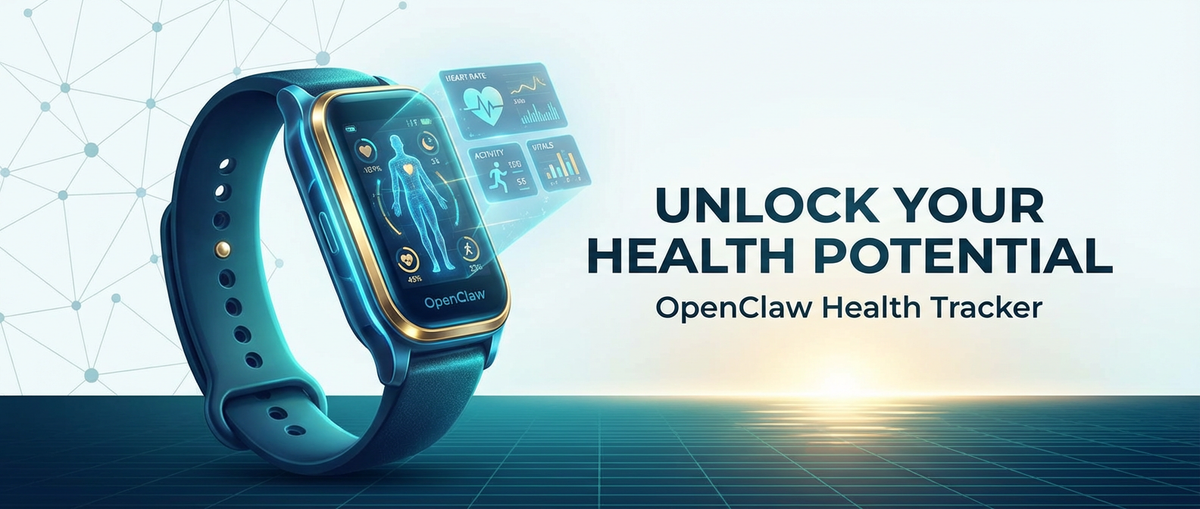

In an age where information is power, understanding our own bodies has become the ultimate frontier of personal empowerment. We live in a world bustling with technological marvels, yet the most profound revolution is unfolding within us – the ability to monitor, analyze, and optimize our health in unprecedented ways. Gone are the days of guessing; today, we can embark on a data-driven journey towards peak wellness, armed with insights previously reserved for medical professionals. At the forefront of this revolution stands the OpenClaw Health Tracker, a beacon of innovation designed to illuminate your path to optimal health, transforming raw biometric data into actionable intelligence.
The quest for longevity and vitality has always been a fundamental human aspiration. From ancient remedies to modern medicine, humanity has continuously sought ways to enhance well-being and mitigate illness. The advent of digital health tracking devices marks a pivotal moment in this enduring pursuit. What began as rudimentary pedometers has evolved into sophisticated wearable ecosystems capable of painting a comprehensive picture of our physiological state. The OpenClaw Health Tracker isn't just another device; it's a personalized health companion, meticulously engineered to provide accuracy, insight, and unparalleled support on your wellness journey. It transcends mere data collection, offering a gateway to understanding the intricate dance of your body's systems, enabling you to make informed decisions that resonate with your unique health goals.
This comprehensive guide will delve deep into the world of modern health tracking, explore the myriad features and benefits of the OpenClaw Health Tracker, and illustrate how it empowers users to achieve significant performance optimization in their health and fitness endeavors. We will examine how intelligent tracking contributes to long-term cost optimization for individual health, and even touch upon the subtle yet profound role of advanced algorithms, hinting at future AI comparison in understanding personalized health recommendations. Prepare to unlock a new dimension of self-awareness and take proactive control over your health potential with OpenClaw.
The Evolution of Personal Health Tracking: From Steps to Sophistication
The concept of tracking personal health metrics is not new. For centuries, individuals have observed their pulse, breathing, and general physical state to gauge well-being. However, the true revolution began with the mechanization of measurement. The early 20th century saw the introduction of mechanical pedometers, simple devices designed to count steps. These served as a basic yet effective tool for encouraging physical activity, a fundamental pillar of good health. While limited, they laid the groundwork for the digital age of self-monitoring.
The digital era ushered in a new wave of innovation. The late 20th and early 21st centuries witnessed the proliferation of digital pedometers, often integrated into mobile phones. These devices offered greater accuracy and convenience, making step counting a mainstream activity. Yet, the thirst for more comprehensive data continued to grow. Users wanted to know more than just their steps; they desired insights into their heart rate, sleep patterns, calorie expenditure, and more.
This demand spurred the development of specialized wearable technology. The early 2010s marked the explosion of dedicated fitness trackers, wrist-worn devices equipped with advanced sensors. These pioneering gadgets could monitor heart rate using optical sensors, track sleep stages through accelerometers, and estimate calorie burn based on activity levels. They connected wirelessly to smartphones, displaying data in user-friendly applications that began to contextualize the numbers, offering rudimentary insights and goal tracking. The market quickly became saturated with various brands, each vying for supremacy in accuracy, battery life, and user experience.
Today, the landscape of personal health tracking has matured significantly. Modern health trackers are not just devices; they are sophisticated health ecosystems. They integrate seamlessly into our daily lives, collecting a rich tapestry of biometric data 24/7. Beyond basic metrics, they now offer advanced features like SpO2 monitoring, ECG capabilities, stress level detection, skin temperature tracking, and even sophisticated recovery metrics. The data collected is no longer just displayed; it's analyzed by powerful algorithms, often leveraging elements of artificial intelligence, to provide personalized feedback, identify trends, predict potential issues, and offer tailored recommendations.
The OpenClaw Health Tracker represents the pinnacle of this evolution. It synthesizes years of technological advancement with a deep understanding of human physiology and user needs. By combining cutting-edge sensor technology with intelligent data processing, it moves beyond simple tracking to become a true partner in health, providing a holistic view of well-being that empowers users to truly unlock their health potential.
OpenClaw Health Tracker: A Deep Dive into Innovation and Functionality
The OpenClaw Health Tracker is engineered with the modern individual in mind, recognizing that health is a multifaceted journey, not a single destination. Its design philosophy centers on accuracy, comprehensiveness, and user empowerment. Let's dissect the core components and capabilities that make OpenClaw a standout in the crowded health tech market.
Core Features: A Holistic View of Your Vitality
OpenClaw is meticulously designed to capture a wide array of vital health metrics, providing a 360-degree view of your physical and physiological state.
- Advanced Heart Rate Monitoring: Utilizing state-of-the-art photoplethysmography (PPG) sensors, OpenClaw provides continuous and highly accurate heart rate data. This includes resting heart rate, active heart rate zones, and heart rate variability (HRV). HRV, in particular, is a crucial indicator of autonomic nervous system balance, offering insights into stress levels, recovery status, and overall resilience.
- Comprehensive Sleep Tracking: Beyond simply identifying sleep and wake times, OpenClaw differentiates between sleep stages—light, deep, and REM sleep. It also monitors sleep disturbances, provides a sleep score, and offers personalized recommendations to improve sleep quality, a cornerstone of physical and mental health.
- Activity and Exercise Tracking: From counting steps and distance to tracking calories burned, OpenClaw is your ultimate activity companion. It automatically recognizes various exercises, provides real-time workout metrics, and allows for goal setting and progress monitoring across a multitude of activities, from running and cycling to swimming and yoga.
- Stress Management: Integrating HRV data with other physiological signals, OpenClaw can detect periods of elevated stress. It offers guided breathing exercises and mindfulness prompts directly on the device or via the companion app, helping users proactively manage stress and promote mental well-being.
- Blood Oxygen Saturation (SpO2): The ability to measure blood oxygen levels is critical for understanding respiratory health and sleep quality. OpenClaw’s SpO2 sensor provides on-demand readings and can also monitor levels overnight, alerting users to potential issues like sleep apnea or respiratory distress.
- Skin Temperature Sensing: OpenClaw integrates precise skin temperature sensors that can detect subtle shifts from your baseline. This data can be invaluable for early detection of illness, tracking menstrual cycles, or monitoring recovery from intense workouts.
- Recovery Metrics: Leveraging a combination of sleep quality, HRV, activity levels, and stress, OpenClaw provides a holistic recovery score. This metric helps users understand their body's readiness for the next challenge, preventing overtraining and optimizing workout schedules.
- GPS Integration: For outdoor enthusiasts, integrated GPS provides accurate tracking of routes, pace, and elevation during runs, hikes, or bike rides, allowing for detailed analysis of outdoor activities without needing a smartphone.
Sensor Technology and Accuracy: The Foundation of Trust
The reliability of any health tracker hinges on the accuracy of its sensors. OpenClaw employs a multi-sensor array, each chosen for its precision and robustness.
- Advanced PPG Sensors: For heart rate and SpO2, OpenClaw uses multiple high-sensitivity green and red LEDs, along with photodiodes, to accurately detect blood flow variations even during motion or varied skin tones.
- Tri-axial Accelerometer & Gyroscope: These sensors are the backbone of activity and sleep tracking, precisely measuring movement, orientation, and force, enabling the device to differentiate between various activities and sleep stages.
- Skin Temperature Sensor: A dedicated, highly sensitive thermistor measures skin temperature with remarkable precision, detecting changes as subtle as 0.1°C.
- ECG Capabilities (Select Models): Some OpenClaw models offer a single-lead electrocardiogram (ECG) feature, allowing users to record their heart's electrical activity and check for signs of atrial fibrillation (AFib), providing a medical-grade snapshot of heart rhythm directly from the wrist.
The data from these sensors is continuously processed through proprietary algorithms that filter out noise, compensate for motion artifacts, and interpret raw signals into meaningful health metrics, ensuring consistent and dependable accuracy.
Data Collection and Privacy: Your Health, Your Control
In an era of increasing data privacy concerns, OpenClaw prioritizes user control and security. All collected data is encrypted both on the device and during transmission to the companion application. Users have granular control over what data is shared and with whom. OpenClaw adheres to stringent global data protection regulations, ensuring that your most personal information remains private and secure. The aggregated, anonymized data (when opted in by users) can contribute to broader health research, but personal identifiable information is always safeguarded.
User Interface and App Experience: Seamless Interaction
A powerful health tracker is only as good as its usability. OpenClaw excels in this aspect with an intuitive, vibrant display and a meticulously designed companion app.
- Device Display: The tracker features a bright, high-resolution AMOLED touchscreen that is easy to read in all lighting conditions. Navigating menus, viewing metrics, and initiating workouts is fluid and responsive. Customizable watch faces allow users to personalize their data display.
- Companion App: The OpenClaw Health App is the command center for your health data. Available on both iOS and Android, it presents complex data in an easily digestible format, with trend graphs, historical data, and personalized insights. It allows for setting goals, tracking progress, engaging with challenges, and connecting with a supportive community. The app’s intuitive design makes understanding your health data an engaging and enlightening experience, rather than an overwhelming one.
The integration of advanced technology, meticulous design, and a strong commitment to user experience makes OpenClaw Health Tracker not just a device, but a truly transformative tool for personal health management.
Unlocking Your Data: The Power of Personalized Insights
Collecting data is merely the first step; the true power of the OpenClaw Health Tracker lies in its ability to transform raw numbers into actionable, personalized insights. This process is where advanced algorithms come into play, sifting through vast quantities of biometric information to uncover patterns, trends, and correlations that might otherwise remain hidden.
Imagine wearing a device that knows your body better than you do, not through mystical powers, but through an intricate understanding of your physiological responses. OpenClaw achieves this by:
- Contextualizing Data: A heart rate of 70 BPM means little in isolation. OpenClaw contextualizes it within your resting heart rate, activity level, and sleep patterns. It understands that a high heart rate during a brisk walk is normal, but a persistently elevated resting heart rate might indicate stress or insufficient recovery.
- Identifying Trends: Over days, weeks, and months, OpenClaw detects subtle shifts in your baseline metrics. A gradual increase in resting heart rate or a decline in HRV could signal impending illness, overtraining, or increased stress, prompting you to take preventative action.
- Generating Personalized Feedback: Instead of generic advice, OpenClaw provides feedback tailored to your specific data. If your sleep quality consistently suffers after late-night meals, the app might suggest adjusting your evening eating habits. If your recovery score is low, it might recommend a lighter workout or an extra rest day.
- Predictive Analytics (Emerging): While still evolving, the future of health tracking, even with devices like OpenClaw, leans towards predictive capabilities. By analyzing patterns, algorithms can potentially predict periods of lower immunity, higher stress susceptibility, or even optimal times for peak performance based on your historical data.
This transformation from data to insight is powered by sophisticated analytical frameworks, often incorporating elements reminiscent of how advanced AI models process information. While not always described as "AI" in the consumer product sense, the underlying principles of pattern recognition, learning from data, and generating hypotheses are shared. This intelligent processing ensures that the OpenClaw Health Tracker doesn't just present you with numbers; it empowers you with knowledge, guiding you towards more effective health decisions and allowing for true performance optimization in every facet of your well-being.
Performance Optimization for Your Health Journey
The OpenClaw Health Tracker is an indispensable tool for anyone serious about performance optimization—whether that means excelling in athletic pursuits, managing chronic conditions, or simply enhancing daily vitality. The concept of optimization, in this context, is multifaceted, encompassing both the efficiency of the device itself and, more importantly, how it enables users to optimize their own physical and mental performance.
Optimizing Your Physical Performance
For athletes and fitness enthusiasts, OpenClaw provides the data crucial for refining training regimens and maximizing output:
- Training Load Management: By tracking activity intensity, duration, and recovery, OpenClaw helps you understand your training load. This prevents overtraining, reduces injury risk, and ensures you're pushing your limits effectively. Insights into HRV and recovery scores tell you when to push hard and when to rest, ensuring peak performance on demand.
- Workout Efficiency: Real-time heart rate zones and pace guidance allow you to train smarter, not just harder. Whether you're aiming for fat burning, cardio endurance, or peak performance, OpenClaw helps you stay within your target zones, making every minute of your workout count.
- Recovery Enhancement: Sleep is arguably the most critical component of recovery. OpenClaw's detailed sleep analytics, including sleep stages and disturbances, highlight areas for improvement. Better sleep translates directly to improved physical recovery, cognitive function, and athletic performance.
- Fueling and Hydration: While not directly tracking these, consistent activity tracking and calorie expenditure data can help users optimize their nutritional intake, ensuring adequate energy and recovery.
Optimizing Your Mental Performance and Well-being
Performance isn't solely physical; mental clarity, resilience, and emotional balance are equally vital. OpenClaw contributes significantly here:
- Stress Reduction: Continuous stress monitoring, combined with guided breathing exercises, empowers users to recognize and mitigate stress triggers. This leads to improved focus, better decision-making, and enhanced emotional regulation.
- Sleep Quality for Cognitive Function: Deep and REM sleep are critical for memory consolidation, learning, and emotional processing. By optimizing sleep, OpenClaw indirectly boosts cognitive performance, ensuring you wake up refreshed and mentally sharp.
- Building Healthy Habits: The consistent data feedback loop encourages adherence to healthy routines. Seeing tangible progress motivates individuals to maintain their efforts, transforming sporadic activities into sustainable lifestyle changes.
The Device's Own Performance Optimization
Beyond user performance, the OpenClaw Health Tracker itself is designed with optimal performance in mind:
- Battery Life: Advanced power management algorithms and energy-efficient components ensure extended battery life, minimizing the need for frequent charging and maximizing continuous data collection.
- Sensor Accuracy: As discussed, meticulous calibration and sophisticated signal processing guarantee high accuracy across all metrics, making the data trustworthy for serious performance analysis.
- User Experience Speed: A responsive interface and rapid data synchronization mean less waiting and more immediate insights, crucial for real-time adjustments during workouts or quick checks of your daily metrics.
| Performance Aspect | OpenClaw Contribution | User Benefit |
|---|---|---|
| Physical Performance | Training load management, real-time heart rate zones, recovery metrics, sleep analysis | Prevents overtraining, maximizes workout efficiency, accelerates recovery, reduces injury risk. |
| Mental Performance | Stress monitoring, sleep quality insights, habit reinforcement | Improved focus, enhanced decision-making, better emotional regulation, increased mental clarity. |
| Device Performance | Extended battery life, high sensor accuracy, responsive UI/app | Continuous data collection, reliable insights, seamless user experience, less hassle with charging. |
| Holistic Well-being | Integration of physical, mental, and recovery data | Proactive health management, personalized interventions, sustainable lifestyle changes. |
The continuous feedback loop provided by OpenClaw Health Tracker allows for iterative adjustments to lifestyle and training, creating a dynamic system of self-improvement. It transforms the often-abstract goals of health and fitness into concrete, measurable objectives, providing the evidence needed to achieve consistent and meaningful performance optimization.
XRoute is a cutting-edge unified API platform designed to streamline access to large language models (LLMs) for developers, businesses, and AI enthusiasts. By providing a single, OpenAI-compatible endpoint, XRoute.AI simplifies the integration of over 60 AI models from more than 20 active providers(including OpenAI, Anthropic, Mistral, Llama2, Google Gemini, and more), enabling seamless development of AI-driven applications, chatbots, and automated workflows.
Cost Optimization in Wellness: Maximizing Value with OpenClaw
Investing in personal health technology like the OpenClaw Health Tracker might seem like an upfront expense, but when viewed through the lens of long-term wellness and preventive care, it becomes a powerful tool for cost optimization. This isn't just about saving money; it's about maximizing the value of your health resources, both financial and personal.
Preventing Illness and Reducing Healthcare Costs
The most significant area of cost optimization related to health trackers lies in their potential for preventive care. Chronic diseases, often linked to lifestyle factors, account for a substantial portion of global healthcare expenditures. Conditions like Type 2 diabetes, heart disease, and obesity can lead to ongoing medical bills, medication costs, and reduced quality of life.
By providing continuous monitoring and actionable insights, OpenClaw empowers users to:
- Detect Early Warning Signs: Subtle changes in resting heart rate, HRV, or sleep patterns can sometimes be early indicators of impending illness or increased susceptibility. Promptly addressing these subtle shifts can prevent conditions from escalating into serious, costly medical emergencies.
- Promote Healthy Lifestyle Choices: Consistent tracking of activity, sleep, and stress encourages adherence to healthy habits. Regular exercise, adequate sleep, and effective stress management are powerful deterrents against many chronic diseases, reducing the likelihood of needing expensive treatments down the line.
- Optimize Existing Condition Management: For individuals managing chronic conditions, OpenClaw can help monitor vital signs, track medication adherence (indirectly through routine tracking), and provide data to healthcare providers, potentially leading to more effective and less costly management strategies. Fewer doctor visits for avoidable issues, optimized medication dosages based on better data, and a reduced need for invasive procedures all contribute to significant financial savings.
Consider the potential costs of even a single preventable health incident – emergency room visits, specialist consultations, prescription medications, lost work days, and the intangible cost of discomfort and worry. A device like OpenClaw, by encouraging proactive health management, can act as an affordable first line of defense, providing substantial cost optimization in healthcare expenses over time.
Maximizing Value for Your Fitness Investment
Beyond direct healthcare costs, OpenClaw also offers cost optimization for your overall fitness and wellness journey:
- Efficient Training: As discussed, OpenClaw helps optimize your training. This means less wasted effort, more effective workouts, and achieving fitness goals faster. This translates into saving money on unnecessary gym memberships, personal trainers (if you become more self-sufficient), or ineffective supplements.
- Long-Term Durability and Value: OpenClaw is built with high-quality materials and robust engineering, ensuring longevity. An investment in a durable device that provides accurate data and continuous software updates maximizes its value over years, rather than requiring frequent replacements.
- Reduced Need for Specialized Equipment: With comprehensive tracking capabilities like integrated GPS and advanced heart rate zones, OpenClaw can reduce the need for multiple single-purpose devices, consolidating your wellness tech into one efficient tool.
- Preventing Workout-Related Injuries: By providing insights into recovery and training load, OpenClaw helps prevent overtraining and potential injuries, which can be costly in terms of physical therapy, medical bills, and downtime from work or hobbies.
OpenClaw and the Broader Ecosystem of Cost-Effective Health Solutions
Looking at the bigger picture, organizations and employers are increasingly recognizing the value of promoting employee wellness through devices like OpenClaw. Healthier employees mean reduced absenteeism, higher productivity, and lower health insurance premiums for companies. This macro-level cost optimization strategy often involves subsidizing wellness programs or providing employees with health trackers, demonstrating the widespread acknowledgment of their financial benefits.
| Cost Optimization Area | OpenClaw's Contribution | Financial Savings/Value |
|---|---|---|
| Preventive Healthcare | Early detection of health issues, promotion of healthy habits, improved chronic condition management. | Reduced doctor visits, fewer emergency treatments, lower medication costs, decreased insurance premiums. |
| Fitness and Training | Optimized workout efficiency, injury prevention, comprehensive data for self-coaching. | Less wasted gym time/money, reduced need for personal trainers, avoided costs of injury recovery. |
| Device Longevity | Durable design, high-quality components, continuous software updates. | Longer lifespan, fewer replacement costs, sustained value from initial investment. |
| Holistic Wellness ROI | Improved overall health, increased productivity, enhanced quality of life. | Reduced sick days, higher earning potential, intangible benefits of well-being. |
The OpenClaw Health Tracker is more than just a gadget; it's an investment in your future health, designed to provide a tangible return on that investment through proactive management and significant cost optimization across various facets of your well-being.
The Future of Health Tracking: Integrating AI and Advanced Analytics
The journey of health tracking is far from over. The next frontier lies in the deeper integration of artificial intelligence and advanced analytics to transform the vast ocean of biometric data into truly predictive and prescriptive insights. While OpenClaw already uses sophisticated algorithms, the full power of AI, particularly Large Language Models (LLMs) and specialized machine learning, is poised to revolutionize how we understand and manage our health.
Imagine a future where your OpenClaw Health Tracker doesn't just tell you that your sleep quality was poor, but precisely explains why—connecting it to your late-night caffeine intake, a stressful meeting, or even subtle environmental factors it has learned about your personal patterns. Then, it doesn't just suggest generic sleep tips, but provides a personalized, dynamic sleep improvement plan, curated specifically for you by a sophisticated AI that understands your unique physiology, lifestyle, and genetic predispositions.
This level of intelligent analysis requires powerful computational capabilities and access to diverse AI models. Developers building the next generation of AI-driven health platforms, which will undoubtedly leverage data from devices like OpenClaw, face significant challenges:
- Complexity of AI Integration: Integrating various AI models (for different tasks like pattern recognition, anomaly detection, natural language understanding for user queries, or predictive modeling) from multiple providers can be incredibly complex and time-consuming. Each model might have its own API, data format requirements, and authentication protocols.
- Latency and Performance: For real-time health insights or critical alerts, low latency is paramount. Juggling multiple API calls and ensuring efficient data flow is a constant battle.
- Cost Management: Different AI models come with different pricing structures. Optimizing costs while maintaining performance and model diversity is a major concern for developers.
- Scalability: As user bases grow, the AI infrastructure needs to scale seamlessly without compromising performance or incurring exorbitant costs.
This is precisely where platforms like XRoute.AI become indispensable.
XRoute.AI is a cutting-edge unified API platform designed to streamline access to large language models (LLMs) for developers, businesses, and AI enthusiasts. By providing a single, OpenAI-compatible endpoint, XRoute.AI simplifies the integration of over 60 AI models from more than 20 active providers, enabling seamless development of AI-driven applications, chatbots, and automated workflows.
Imagine a health tech company aiming to build an advanced analytics engine for OpenClaw data. They might need: * A powerful LLM to interpret complex health queries from users. * A specialized machine learning model for detecting subtle heart rhythm anomalies. * Another AI for predicting recovery windows based on diverse physiological inputs. * Perhaps a generative AI to create personalized wellness coaching messages.
Instead of managing individual API connections to GPT-4, Claude, Gemini, Qwen, Deepseek, or other specialized models, XRoute.AI provides a single gateway. This significantly reduces development time and complexity. Furthermore, its focus on low latency AI ensures that personalized health insights are delivered almost instantly, which is crucial for real-time feedback and interventions. The platform also emphasizes cost-effective AI, allowing developers to optimize their spending by intelligently routing requests to the best-performing and most economical models for specific tasks. This high throughput, scalability, and flexible pricing model make XRoute.AI an ideal choice for projects building the intelligent solutions that will power the next generation of health tracking and wellness platforms, leveraging the rich data collected by devices like OpenClaw.
The future envisions OpenClaw not just as a data collector, but as an integral part of an intelligent health ecosystem, where sophisticated AI, accessed and managed efficiently through platforms like XRoute.AI, processes your unique biometric fingerprint to offer unprecedented levels of personalized care, predictive warnings, and prescriptive wellness strategies.
Choosing Your Digital Health Companion: An AI Comparison Perspective
Selecting the right health tracker is a crucial decision that impacts your entire wellness journey. In an increasingly AI-driven world, even consumer devices are leveraging intelligent algorithms, making AI comparison an implicit, if not explicit, factor in decision-making. While OpenClaw focuses on robust data collection and user-friendly insights, understanding the broader landscape of AI in health tracking helps contextualize its value and future potential.
When we talk about "AI comparison" in health tracking, we're not necessarily comparing two chat AI models side-by-side. Instead, we're evaluating the intelligence embedded within the devices and their accompanying platforms—how effectively they process data, generate insights, and ultimately, personalize your health experience. This can manifest in several ways:
- Algorithm Sophistication: Different trackers employ varying levels of algorithmic complexity to interpret raw sensor data. A basic tracker might use simple averages for heart rate, while OpenClaw utilizes advanced signal processing and machine learning to filter noise, detect anomalies, and derive metrics like HRV with higher accuracy. The "AI" here is in the robustness and intelligence of these algorithms to translate complex physiological signals into reliable, actionable numbers.
- Personalization Engines: How well does a tracker's accompanying app adapt to your unique body and lifestyle? Some platforms offer generic advice, while others, like OpenClaw, learn from your patterns over time to provide truly personalized recommendations for sleep, activity, and stress management. This adaptive learning is a form of AI at play, constantly refining its understanding of you.
- Predictive Capabilities: Advanced trackers and their platforms are moving towards predictive analytics. Can the system foresee potential health issues based on your trends? Can it predict optimal training days or recovery needs? This requires sophisticated AI models to identify subtle precursors in your data, comparing current patterns against learned baselines and broader health datasets.
- Natural Language Interaction and Coaching: The ultimate form of AI integration involves natural language processing, where users can ask complex health questions and receive intelligent, context-aware responses or even personalized coaching. While OpenClaw's current focus is on data visualization and actionable prompts, the future, facilitated by platforms like XRoute.AI, will see health trackers deeply integrated with powerful LLMs to offer comprehensive, conversational health guidance, allowing users to make an AI comparison based on the quality and depth of these interactions.
- Data Integration and Openness: How easily does a tracker's data integrate with other health apps, medical records, or even advanced AI research platforms? Devices that offer open APIs (or whose data can be easily exported) allow for more sophisticated, third-party AI analysis, offering a broader scope for AI comparison in terms of external analytical power.
| AI Comparison Aspect | OpenClaw's Approach | Broader AI Landscape Implications |
|---|---|---|
| Data Interpretation | Proprietary, advanced algorithms for high-accuracy biometric data processing (HRV, sleep stages, SpO2). | Foundation for all AI; more sophisticated algorithms mean cleaner, more reliable data for AI models. |
| Personalized Insights | Learning from user patterns to offer tailored advice for activity, recovery, and stress. | Demonstrates adaptive AI; future will involve deeper integration with LLMs for hyper-personalization. |
| Predictive Analytics | Emerging capabilities for identifying trends and potential health shifts. | The next frontier; requires powerful machine learning models, often accessible via unified APIs like XRoute.AI. |
| User Interaction | Intuitive app interface, actionable prompts, guided exercises. | Will evolve into conversational AI, enabling natural language queries and comprehensive coaching. |
| Integration Potential | Secure data export/sharing with user consent. | Essential for feeding data into advanced AI platforms and research, enabling broad AI comparisons. |
When choosing a health tracker, consider not just the raw features, but the "intelligence" behind the numbers. OpenClaw offers a robust foundation of intelligent data processing and personalized insights. As AI continues to advance, the ability of platforms and devices to leverage these technologies—whether through built-in sophisticated algorithms or seamless integration with external AI services facilitated by platforms like XRoute.AI—will become the defining factor in determining the true value and effectiveness of your digital health companion. It allows for an effective AI comparison by examining which system truly empowers you with the most intelligent, personalized, and actionable health guidance.
Beyond the Metrics: A Holistic Approach to Wellness
While the OpenClaw Health Tracker excels at providing precise metrics and data-driven insights, it’s crucial to remember that true wellness extends far beyond numbers on a screen. A holistic approach to health integrates physical data with mental well-being, emotional resilience, social connections, and environmental factors. OpenClaw serves as a powerful facilitator in this broader journey, but it is the individual's conscious effort to integrate these diverse elements that ultimately unlocks their full health potential.
- Mental Well-being: OpenClaw’s stress tracking and guided breathing exercises are invaluable tools for promoting mental calm and mindfulness. However, supporting mental health also involves practices like meditation, engaging in hobbies, spending time in nature, and seeking professional help when needed. The tracker can identify periods of elevated stress, but your response to that information—your commitment to mental self-care—is paramount.
- Emotional Resilience: Our emotions profoundly impact our physical health. Learning to process emotions, build healthy relationships, and cultivate a positive outlook contributes significantly to overall well-being. While OpenClaw might highlight physiological responses to emotional states (e.g., elevated heart rate during stress), developing emotional resilience requires introspection and intentional effort.
- Lifestyle Choices: The data from OpenClaw can illuminate patterns in your sleep, activity, and recovery, empowering you to make informed lifestyle adjustments. However, it's your consistent choices—what you eat, how you move, when you rest, and how you manage your time—that truly shape your health trajectory. The tracker provides the "what" and "when"; you provide the "how" and "why."
- Social Connection: Humans are social creatures, and strong social bonds are directly linked to improved health outcomes and longevity. While a health tracker is a personal device, sharing progress with friends, family, or a wellness community can provide motivation, accountability, and emotional support. The OpenClaw app's community features encourage this interaction.
- Environmental Factors: Our environment—from air quality to access to green spaces—plays a significant role in our health. While a tracker doesn't directly measure these, being aware of them and making conscious choices (e.g., choosing a park for your run based on OpenClaw's activity tracking) contributes to a more holistic approach.
The OpenClaw Health Tracker acts as an intelligent mirror, reflecting your physiological state with remarkable clarity. It offers the data, the trends, and the insights that can guide you. But the real transformation comes from how you interpret this information, how you integrate it into your daily life, and how you combine it with a broader, holistic commitment to your well-being. It’s about leveraging technology as an enabler, not a replacement, for mindful living and intentional self-care. Embrace the data, but never forget the invaluable role of your own intuition, resilience, and commitment to a balanced, fulfilling life.
Conclusion: Empowering Your Journey to Optimal Health
The landscape of personal health and wellness is undergoing a profound transformation, driven by an unprecedented convergence of advanced sensor technology, intelligent algorithms, and a growing societal emphasis on proactive self-care. At the heart of this revolution is the OpenClaw Health Tracker, a device that redefines what it means to understand and optimize one's health. It stands as a testament to how meticulous engineering and user-centric design can empower individuals to take decisive control over their well-being.
Throughout this extensive exploration, we've dissected OpenClaw's innovative features, from its advanced heart rate and sleep tracking to its nuanced stress management and recovery metrics. We've seen how its robust sensor technology translates raw biometric data into a rich tapestry of personalized insights, moving beyond mere numbers to offer actionable intelligence. The emphasis on performance optimization is evident, not only in how OpenClaw enhances athletic training and recovery but also in how it fosters mental clarity and builds sustainable healthy habits. Furthermore, we’ve highlighted the significant role of devices like OpenClaw in long-term cost optimization for individual health, positioning it as a strategic investment in preventive care and overall well-being.
As we look to the future, the integration of cutting-edge AI and advanced analytics promises to unlock even deeper levels of personalization and predictive power in health tracking. The complexities of developing such intelligent systems, from managing diverse AI models to ensuring low latency and cost-effectiveness, underscore the critical need for unified API platforms. This is where XRoute.AI emerges as a pivotal player, simplifying access to a vast array of LLMs and enabling developers to build the next generation of AI-powered health solutions that will undoubtedly leverage the rich data collected by devices like OpenClaw. The ongoing evolution will also bring more sophisticated forms of AI comparison, allowing users to assess the intelligence and personalization capabilities embedded within their health companions.
The OpenClaw Health Tracker is more than just a wearable gadget; it is a gateway to self-awareness, a catalyst for positive change, and a steadfast companion on your journey to optimal health. By providing you with an unparalleled understanding of your body's intricate systems, it empowers you to make smarter choices, achieve your wellness goals, and ultimately, unlock your full health potential. Embrace the power of data, embrace the innovation of OpenClaw, and embark on a healthier, more vibrant future.
Frequently Asked Questions (FAQ)
Q1: How accurate is the OpenClaw Health Tracker for its various metrics? A1: The OpenClaw Health Tracker is engineered with advanced, medical-grade sensors and proprietary algorithms to ensure high accuracy across all metrics, including heart rate, SpO2, and sleep stage detection. While consumer wearables are not medical devices, OpenClaw undergoes rigorous testing and calibration to provide reliable data that can effectively inform your health and fitness decisions. For metrics like ECG (on select models), it provides a single-lead reading, which can detect signs of AFib but should not replace a doctor's diagnosis.
Q2: What kind of insights can I expect from the OpenClaw Health App? A2: The OpenClaw Health App transforms raw data into personalized, actionable insights. You'll receive comprehensive reports on your sleep quality (including stages and disturbances), daily activity levels, workout performance, stress patterns, and recovery status. The app identifies trends, offers personalized recommendations for improvement, and provides context for your metrics, helping you understand how different aspects of your lifestyle impact your overall health.
Q3: Is my health data secure with the OpenClaw Health Tracker? A3: Yes, data security and privacy are paramount for OpenClaw. All collected data is encrypted both on the device and during transmission to the companion app. OpenClaw adheres to stringent global data protection regulations (e.g., GDPR), and users have full control over their data, including what information is shared and with whom. Your personal health information is safeguarded with robust security protocols.
Q4: Can the OpenClaw Health Tracker integrate with other health platforms or apps? A4: The OpenClaw Health Tracker is designed with interoperability in mind. Its companion app typically allows for secure data sharing with major health platforms (e.g., Apple Health, Google Fit) with your explicit consent. Depending on regional regulations and partnerships, it may also integrate with specific wellness programs or research initiatives, allowing you to centralize your health data and leverage it across different platforms.
Q5: How does OpenClaw contribute to long-term health and wellness, beyond just tracking? A5: OpenClaw contributes to long-term health by fostering a cycle of self-awareness, informed decision-making, and sustainable habit formation. By providing continuous feedback on key physiological markers, it empowers you to proactively manage stress, optimize sleep, enhance physical activity, and detect potential issues early. This preventive approach can lead to significant improvements in overall well-being, reduced risk of chronic diseases, and ultimately, a healthier, more vibrant life for years to come.
🚀You can securely and efficiently connect to thousands of data sources with XRoute in just two steps:
Step 1: Create Your API Key
To start using XRoute.AI, the first step is to create an account and generate your XRoute API KEY. This key unlocks access to the platform’s unified API interface, allowing you to connect to a vast ecosystem of large language models with minimal setup.
Here’s how to do it: 1. Visit https://xroute.ai/ and sign up for a free account. 2. Upon registration, explore the platform. 3. Navigate to the user dashboard and generate your XRoute API KEY.
This process takes less than a minute, and your API key will serve as the gateway to XRoute.AI’s robust developer tools, enabling seamless integration with LLM APIs for your projects.
Step 2: Select a Model and Make API Calls
Once you have your XRoute API KEY, you can select from over 60 large language models available on XRoute.AI and start making API calls. The platform’s OpenAI-compatible endpoint ensures that you can easily integrate models into your applications using just a few lines of code.
Here’s a sample configuration to call an LLM:
curl --location 'https://api.xroute.ai/openai/v1/chat/completions' \
--header 'Authorization: Bearer $apikey' \
--header 'Content-Type: application/json' \
--data '{
    "model": "gpt-5",
    "messages": [
        {
            "content": "Your text prompt here",
            "role": "user"
        }
    ]
}'
With this setup, your application can instantly connect to XRoute.AI’s unified API platform, leveraging low latency AI and high throughput (handling 891.82K tokens per month globally). XRoute.AI manages provider routing, load balancing, and failover, ensuring reliable performance for real-time applications like chatbots, data analysis tools, or automated workflows. You can also purchase additional API credits to scale your usage as needed, making it a cost-effective AI solution for projects of all sizes.
Note: Explore the documentation on https://xroute.ai/ for model-specific details, SDKs, and open-source examples to accelerate your development.